|
|
0 7 . 0 6 . 2 6
All Access
3 items
|
|
|
|
Local
A Woodstock resident asked a judge to stop Shenandoah County supervisors from voting on a data center ordinance, saying residents were not adequately told the board would participate in an earlier public hearing. But county notices published in the Northern Virginia Daily on May 21 and May 28 identified the June 4 proceeding as a joint public hearing of the Planning Commission and Board of Supervisors. Both listed the data center zoning amendment among the matters to be heard. … Patricia Haley filed the emergency petition in Shenandoah County Circuit Court on June 22, one day before the vote. … Haley wrote that many residents did not understand that the hearing was their primary opportunity to address supervisors before a final vote. She asked the court to stop the board from taking final action until the county provided adequate notice, held a properly noticed hearing and gave residents “a meaningful opportunity” to address supervisors.
|
|
|

|
Federal
Every year, a million people wander through the temple-like rotunda of the National Archives and peer through a thick glass case to glimpse the document upon which this country was founded. They are struck by awe — and also by the toll that time and negligence have taken on the Declaration of Independence. The ink, including John Hancock’s defiantly oversized signature, has faded to near invisibility. It is further disfigured by creases, water stains, and a grimy handprint covering part of its lower corner. The document looks even shabbier next to the nearly pristine Constitution, with its legible typeface, displayed yards away and written only a decade later. Yet in their own way, those marks of time on the 250-year-old parchment, and the stories behind them, tell the history of the country — its flaws, its aspirations and its perseverance.
|
|
|
|
Federal
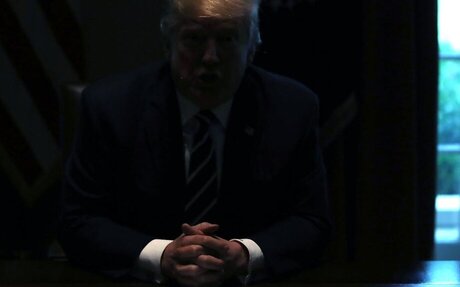
As it was Congress that forced the executive branch to sign FOIA into law and later expand it, Congress has the power to do so again. But our representatives need to look beyond vague reforms such as integrating AI technology or pumping more funding into the already bloated budgets of the Homeland Security or Defense departments. I asked several colleagues with over a decade of experience writing and litigating FOIA requests to imagine more specific and concrete ways of making FOIA an effective tool for transparency. Maryland attorney Amber Qureshi suggested that if an agency fails to comply with FOIA deadlines, courts should forbid the agency from withholding certain types of discretionary information, which it might otherwise do. … Andrew Free, a lawyer and investigative journalist based in Georgia, also suggested accountability measures. “Congress should authorize per-day, per-record penalties for agencies that fail to substantively respond to FOIA requests.”
|
|
|
|
|
|
|
|
|