|
|
0 7 . 1 6 . 2 6
All Access
7 items
|
|
|

|
Local
The Fredericksburg City Council on Tuesday approved entering into a contract with Axon to purchase a suite of AI-enhanced tools for the police department’s body-worn cameras. Axon is the department’s current vendor for body-worn cameras, tasers, and interview room recording. The new package, which will cost $1.9 million over five years and is funded through the city’s Capital Improvement Plan, includes technologies that will produce drafts of incident reports, translate 57 languages in real time, and transcribe audio recordings into searchable transcripts. Police Chief Betsy Mason told council during Tuesday’s work session that the new tools will improve recruitment, retention, accountability, transparency, and service to the public.
|
|
|

|
Local
Thomas Filippini Jr. knows his van was stolen. A police report and Flock camera footage both prove it, he told the Times-Dispatch on July 9. But nearly two months after the vehicle vanished from the parking lot of his Shockoe Bottom apartment complex, he still doesn’t know who took it — or, more strangely, who brought it back after he reported the theft to police. … But to Filippini’s frustration, police have refused to share any details with him. They won’t give him the tow truck’s license plate number, he said, and they won’t explain why they haven’t been able to identify the company yet. After weeks of unreturned phone calls, Filippini finally submitted a request for the Flock camera footage under the Virginia Freedom of Information Act. Police denied that request under a FOIA exemption that shields records related to an active investigation. Asked about the FOIA request denial, Mercante said that, “because the (Flock) images are now part of an open investigation, they cannot be released publicly at this time.” But that’s not exactly true. The exemption police cited to withhold the requested data is discretionary — meaning that police may disclose the footage, but are choosing not to do so.
|
|
|
|
Local
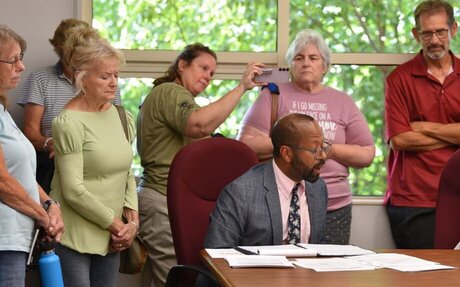
A much-anticipated planning commission-led forum on Botetourt County’s water situation and the planned Google data center campus will need approval from the board of supervisors before it takes place, the commission concluded Monday after heated discussion. Tension, distrust and unanswered questions over the data center erupted throughout the commission’s work session and regular meeting as attendees loudly interjected and commissioner Mark Tyson cast doubt on the county’s trustworthiness. The commission ultimately voted to recommend that the board of supervisors direct the commission to organize a special meeting discussing a list of topics relating to the water supply and infrastructure impacts of the data center. … On July 1, Tyson, who originally proposed holding the review, published an open letter in the Fincastle Herald urging residents to comment during the commission’s upcoming “investigative Water ‘Hearing.’” Two days later, the county released a statement clarifying that the commission does not have the legal authority to independently convene public hearings. It may hold “special surveys and studies” only if directed to by the board of supervisors.
|
|
|
|
Local
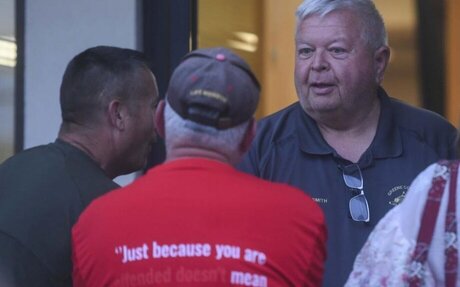
Despite public demands for officials to terminate Greene County’s partnership with U.S. Immigration and Customs Enforcement, those officials say their hands are tied. The hundreds of thousands of federal dollars delivered in exchange for the county sheriff’s office’s cooperation in immigration enforcement operations has already been appropriated, county officials say. Reneging on the deal now risks exposing the county to a federal lawsuit, they say. … While some demonstrating Tuesday called for the county to outright terminate its partnership with ICE, others demanded a thorough review of how the sheriff’s office is spending the money its received from the Trump administration as a result of that partnership. … The identities of those detained have never been released, despite The Daily Progress’ multiple public records requests to federal and local authorities. Eyewitness accounts, though, suggest the men were mostly if not entirely, Latino and the majority were laborers apprehended en route to work.
|
|
|
|
Federal
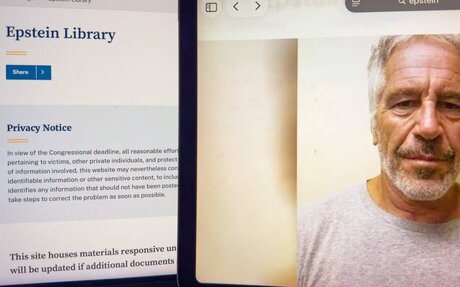
Last spring, it was rumored that agents with the FBI were trained to redact portions of the Epstein files before the documents became public. On Sunday, agency officials admitted to the scheme. It took independent journalist and award-winning podcaster Allison Gill a year, a Freedom of Information Act request, and a subsequent lawsuit against the government to obtain evidence that the bureau had specifically trained its investigators to scrub the Epstein files clean. On Sunday, Gill received a stunning admission from the FBI confirming that the training videos—which were never released as part of the legal mandate—do in fact exist.
|
|
|

|
Federal
The Pentagon is asking Congress for broad new authority to withhold unclassified records from the public, a proposal that transparency advocates say could significantly reduce the public’s ability to scrutinize the nation’s largest federal agency and understand how billions of taxpayer dollars are spent. The legislative proposal seeks to create a new section of federal law allowing the defense secretary to exempt certain “controlled unclassified information,” or CUI, from disclosure under the Freedom of Information Act if the U.S. military determines the records concern national defense vulnerabilities and concludes that the harm from disclosure outweighs the public interest. … The National Archives, which oversees the government’s CUI program, has repeatedly emphasized that designation as CUI does not affect whether records may be released under the Freedom of Information Act. Agencies like the Defense Department must still rely on one of FOIA’s nine statutory exemptions to prevent the public disclosure of documents.
|
|
|

|
Federal
Newly disclosed emails reveal confusion at the State Department during the Trump administration’s push last year to destroy almost $10 million worth of family planning commodities in a Belgian warehouse that were intended for distribution in some of the world’s poorest nations. U.S. diplomats in the region were left in the dark about the supplies sitting in the warehouse in Geel, while a senior official privately shared erroneous information that suggested some of the contraceptives could be used to induce abortions. … The exchange on Aug. 13 is part of a tranche of dozens of internal emails and other internal documents from last summer that were released by the State Department after a Freedom of Information Act lawsuit by Center for Reproductive Rights, an advocacy group based in New York City.
|
|
|
|
|
|
|
|
|