|
|
1 0 . 0 8 . 2 6
All Access
5 items
|
|
|
|
Local
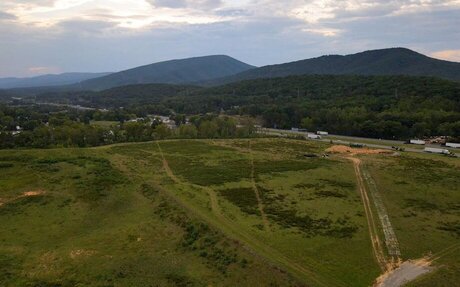
The Western Virginia Regional Industrial Facility Authority announced that it is no longer beholden to a nondisclosure agreement with Clearview Dynamics LLC over a planned data center at the Wood Haven Technology Park. In a statement released Tuesday, the authority said it requested its release from the NDA, though it said it has an “ethical obligation to protect project information, including the identity of Clearview Dynamics’ corporate parent.” John Hull, the WVRIFA’s executive director, provided The Roanoke Times with the NDA, NDA release and termination documents — along with the statement — following a Virginia Freedom of Information Act request. Both documents listed the WVRIFA as one party of the NDA but redacted the other party.
|
|
|
|
Local
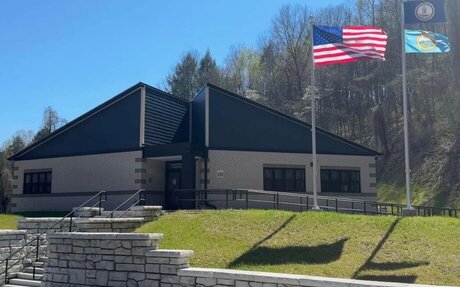
The Haysi Town Council has voted to move forward with expelling its mayor, who was arrested last month on fraud and embezzlement charges and has not responded to calls for his resignation. The town’s charter allows a supermajority vote to expel a member for good cause, and all six council members voted to move forward with the process during the regular meeting Tuesday night, said Vice Mayor Debbie Wood. A hearing scheduled for Oct. 19 will fulfill Yates’ due process rights, said Allison Mullins, Haysi’s attorney. Yates will be allowed to appear remotely or through his attorney, because he is not allowed on town property per his bond agreement, she added.
|
|
|

|
In other states-Florida
The grand jury report that put Attorney General James Uthmeier at the center of a “sophisticated scheme” to move $10 million from a Medicaid settlement into his political committee was erased Wednesday by a state appeals court, in an appeal in which no one was allowed to argue in defense of the report, the court’s own opinion shows. The lawyers who won without any opposition include two firms Florida taxpayers have paid more than $300,000 in the grand jury matter, one of them appearing for Uthmeier himself. And new records show a third firm on the public payroll: hired by Gov. Ron DeSantis’ office 12 days before the Leon County grand jury began hearing witnesses, to stand beside a witness the governor’s office still will not name. The invoices, obtained by the Florida Trident, add a new layer to the scandal consuming the closing months of the DeSantis administration: $10 million from the state’s settlement with Centene, routed through the Hope Florida Foundation and two nonprofits to a political committee run by James Uthmeier, then the governor’s chief of staff and now the attorney general, who is on the Nov. 3 ballot, where voters will have a say over the controversy.
|
|
|
|
In other states-Minnesota
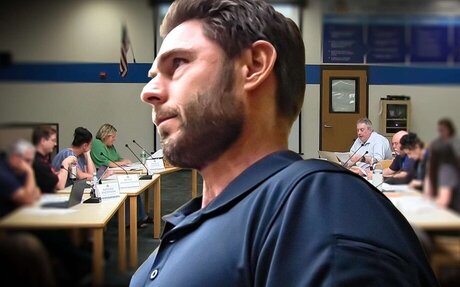
A local school board in Minnesota has taken censorship to absurd heights. During the public comment period at Foley Public School Board meetings, concerned citizens are forbidden from saying not only the names of school staff and officials but even their titles. These revelations come from Blake and Katy DeMarais, concerned parents of a disabled and nonverbal special education student in the district. Over the summer, the parents complained that the district was failing to provide educational services to their son, only to be censored in a public meeting. During the board’s June 22 meeting, Katy DeMarais opened her comment by stating she would like to speak about her family’s “experience with the special education director and district leadership.” According to a video posted by the DeMaraises, a board member’s voice then interrupts, telling Katy DeMarais that “I’ll have to stop you…because we’re not allowed to speak about people in the public meeting.” When Katy DeMarais proceeded to finish her public comment, she would verbally say “blank” when referencing the special education director. Later in the same meeting, Blake DeMarais gave his own public comment, which was also recorded. In the video, Blake DeMarais begins reading an email sent to them by the district’s superintendent, but when he says nothing more than “superintendent,” he gets shut down too. “Blake,” the voice intones, “you’re done. You can’t talk about the superintendent. We already addressed this.”
|
|
|
|
Nationwide
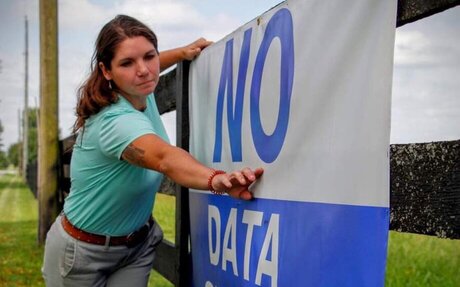
When small American communities say no to big data centers, they often find tech companies won’t take no for an answer. That’s what happened in the tiny Michigan farming community of Saline Township last year, when the township board chose not to make 575 acres of farmland available for industrial use. The developer responded with a lawsuit. … Similar battles have played out in various ways across the country as data centers have proliferated and artificial intelligence has boomed. Because data centers need lots of land and electricity, and the new hyperscale AI data centers need much more of each, they often target rural communities. Local officials are often overwhelmed and outmatched. Reporters in newsrooms across five states teamed up to examine the tactics developers are using to overcome growing local opposition in small-town America. … Unusual secrecy. Data center developers rely on secrecy to hide their intention, leaving local officials in places like rural Michigan’s Lenox Township to bear the brunt of public outrage and anger. Elsewhere in Michigan, officials say nondisclosure agreements are preventing them from telling their own citizens what data centers have planned in their communities. In another case, a small city sued The Oregonian newspaper in an unsuccessful effort to keep details of Google’s water use secret.
|
|
|
|
|
|
|
|
|