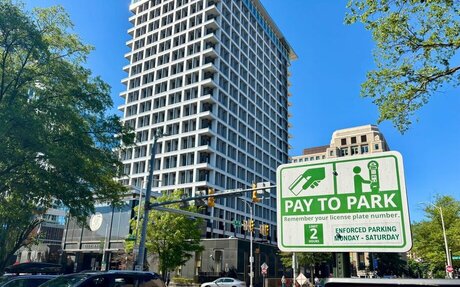
Richmond residents attending City Council meetings used to be able to park for free in a city-owned lot a few blocks away from City Hall. A few years ago, that lot was turned into an off-street bus transfer station, eliminating the most obvious free parking option for people traveling by car. That mostly left paid on-street parking as the fallback. But the combo of hourly time limits and unpredictable meeting lengths means going to a public meeting to engage with the local government can cost a few bucks and risk a $30 parking ticket. At least one meeting attendee has gotten a ticket recently, which prompted Councilor Reva Trammell (8th District) to raise the parking issue at the last Council meeting. If residents have to pay to make their voices heard at Council meetings, Trammell argued, some might simply choose not to come.
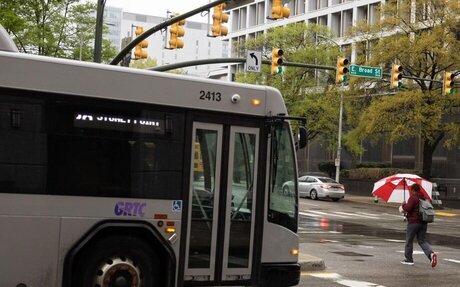
The Greater Richmond Transit Company had paid out nearly half a million dollars in legal settlements and court-ordered restitution since January 2025, according to records obtained by The Times-Dispatch. The $420,923.65 total was spread across 69 separate payments, with an average payment of $6,100. The single largest sum was a $150,000 payment made on May 7, 2025, to the Virginia personal injury law firm Allen, Allen, Allen & Allen. The circumstances surrounding the payments — what legal case each check is tied to, and whether each was the result of an out-of-court settlement or a jury award — are not clear. GRTC spokesperson Ashley Potter previously declined to comment on the status of all legal claims against GRTC and would not disclose details on how the regional transportation company goes about handling lawsuits or disciplining drivers found to be liable for injuries or property damage. Potter also declined to say how much GRTC had paid out across settlements and jury awards since January 2025, so The Times-Dispatch requested records of all such payments under the Virginia Freedom of Information Act. The responsive records contain the date and dollar amount of each check, as well as the law firm or company to whom each check was written.
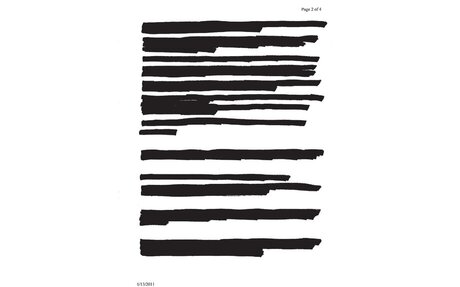
The disclosure that a Butler County Sheriff’s deputy received two emails from Thomas Matthew Crooks before his attempted assassination of Donald Trump has triggered intense reactions across the political spectrum. Commentators from different political leanings have demanded to know the content of the redacted messages, with some calling the revelation a ‘bombshell’ and others cautioning against premature conclusions. The FBI’s decision to withhold the nature of the communications has heightened public suspicion and intensified partisan debate. … Judicial Watch obtained 48 heavily redacted FBI pages through a Freedom of Information Act lawsuit after the bureau failed to respond to a July 2024 request.