What if the public didn’t know about the town’s negotiations with Amazon? What if the officials decided not to tell their voters? This is another issue currently facing Virginia, but it’s a story you may not have heard of. It goes like this: You’re a farmer in rural Virginia. You get approached by a company looking to buy your property for millions of dollars, much more than what it’s worth. You ask them to tell you more about their company. They can’t. You ask what the land is for. They won’t tell you. You ask where the money will come from. “A Fortune 100 company,” they demur. All the information you want is locked behind a nondisclosure agreement (NDA). And now the company wants you to sign an NDA before they are willing to pay.
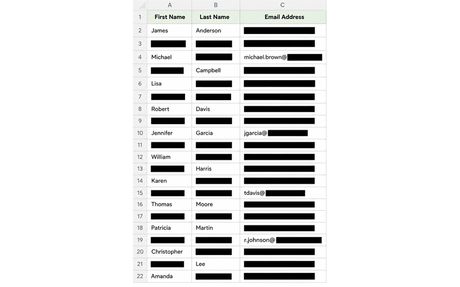
Call it a partial win for transparency. MLive was successful in obtaining the full names and salary information of judicial employees in Washtenaw County following a Freedom of Information Act (FOIA) appeal. The county, however, denied MLive’s appeal that it also release the names of all law enforcement and peer support professionals. When MLive sought county employee salary records in its core coverage areas through FOIA, the responses varied widely. … After a review of the salary data the county supplied, Interim County Administrator Derrick Jackson determined that only the names of law enforcement specifically dedicated to undercover operations were exempted, citing state law. “Due to the nature of undercover law enforcement operations, concealment of the names is necessary to maintain their safety while in public performing their duties,” Jackson said in the response. He also upheld the denial of names of peer support specialists, citing the state Mental Health Code and HIPAA confidentiality requirements.
The lawyers, lobbyists and advocates for corporate welfare demonstrate a lot of creativity. They’ve developed a variety of gimmicks to hide financial transfers collected by their clients. Let’s dig in on what they’ve come up with because it shows a remarkable effort to conceal taxpayer payments to select companies. Some programs transfer a large amount of money through direct payments to beneficiaries. But the payments are given a technical term to make them seem like something other than taxpayer subsidies to businesses that got special deals from the government.
President Donald Trump’s branding spree continues. A couple of weeks ago, I wrote about a set of Department of Justice documents I obtained that included details about the Trump banners hung at the agency’s headquarters. Now, I’m turning my attention to US currency that will soon bear Trump’s signature — “the first time in history for a sitting president,” the Treasury Department announced in March. Naturally, I was eager to get my hands on documents that could detail how this unprecedented decision came together. I filed a Freedom of Information Act request with the Bureau of Engraving and Printing, but the Treasury division redacted large portions of the documents it released to me. I was still able to piece together some interesting tidbits. Bloomberg
“Democracies die behind closed doors.” ~ U.S. Circuit Court Judge Damon Keith, 2002