|
|
0 8 . 2 6 . 2 6
All Access
5 items
|
|
|

|
Local
A small Central Virginia town once at risk of being dissolved entirely may yet be spared — if its leaders can keep it together. In the 555-person town of Mineral in Louisa County, shouting matches, name-calling and cursing dominate Town Council meetings, there’s been at least one accusation of attempted blackmail in a failed honeypot scheme, the town manager has been fired, rehired, fired and rehired again in less than a year, checks to town vendors go missing, and up until this month, two town council members were holding back-channel negotiations with the county to have the town’s charter dissolved. … Meeting records are difficult to discover and discern, because Mayor Pamela Harlowe herself has admitted to doctoring minutes. Before his departure, council member David Hempstead regularly backed her up, arguing at Council’s Feb. 9 meeting that “not everything” needs to be recorded in open session and that “meetings don’t have to be public.” “Everything needs to be recorded in a meeting,” Covert shot back at him. “This is government, not a garden club.”
|
|
|

|
Local
Franklin Superintendent Dr. Carlton Carter said Tuesday he has no plans to resign, despite a request from the school board chair that he step down and accept a separation package worth about $270,000. Tuesday’s meeting was the Franklin School Board’s first since Chair Wydia Bailey sent Carter a letter asking him to voluntarily resign. … School Board member Cristina Boone said she and other board members were not aware Bailey had asked Carter to resign. Boone questioned how the decision was made and whether the board had voted on the request. “You emailed Dr. Carter and copied John Allsbrook. What about the rest of us? Who authorized it? Where was the vote?” she said during the school board meeting.
|
|
|

|
Statewide
License plate readers are being used by many governments and law enforcement agencies. But details about the data are secret. Virginia’s surveillance state is happening in secret, shielded from public view and exempt from the Freedom of Information Act. That’s because the law governing their use allows law enforcement agencies to keep system data and audit trail data secret. That includes information about who is accessing the data and why. “If you can’t answer to the public, this is who’s using it and why they’re using it, it undermines public confidence,” says Senator Danica Roem of Prince William County.
|
|
|

|
In other states-Michigan
Earlier this year, the City of Manton, Michigan, passed a vague resolution condemning what it alleged was “a deliberate, ongoing, and escalating campaign of cyberbullying, online harassment, and personal attacks directed at City Commissioners.” Those so-called attacks included social media posts that allegedly contained “deliberate falsehoods” or threats, or targeted commissioners in “an offensive personal manner.” The resolution placed “the individual or individuals responsible for this conduct on formal public notice that their behavior has been observed, documented, and reviewed.” It further stated the commission may direct the city attorney to explore legal remedies, including cease-and-desist letters, referring individuals to the county prosecutor for investigation, or bringing civil lawsuits. What were the social media posts that led commissioners to pass the resolution? We don’t know, because the city refuses to say, even after FIRE filed a public records request. In some circumstances, online communication can cross the line into true threats or unlawful harassment. But we’re not just going to take city officials’ word for it, especially when the speech at issue criticizes those same officials, giving them a personal incentive to suppress it.
|
|
|
|
Federal
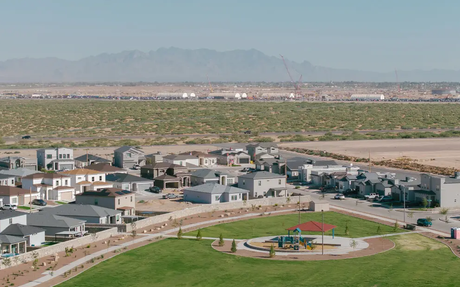
The Trump administration is moving to make it harder for communities to weigh in on proposed data centers, even as a backlash against the behemoth projects grows across the country. The Environmental Protection Agency plans to eliminate a federal requirement that states publicize and solicit public input on applications for air pollution permits for a range of industrial facilities, including new data centers and the power plants needed to run them. The move could prevent residents from raising concerns about — or even learning about — data centers before permits are approved and construction starts. … Polls have shown a bipartisan revolt against data centers, with Democrats and Republicans alike citing concerns about noise, air pollution and energy and water usage. Governors in both parties have called for more public input on the projects, not less.
|
|
|
|
|
|
|
|
|