|
|
1 2 . 2 3 . 2 5
All Access
4 items
|
|
|
|
Higher Ed
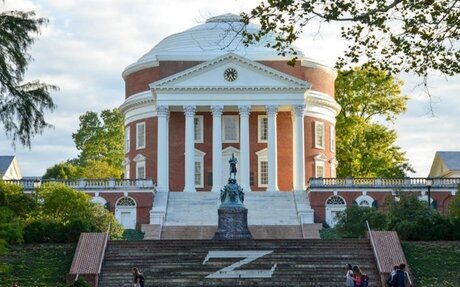
The University paid more than $1.8 million to the law firm McGuireWoods LLP for legal services related to the Justice Department’s investigations, according to invoices sent between April and August 2025. The documents, which cover legal work performed between April and August, show extensive attorney activity billed at rates approaching $1,000 per hour, though nearly all narrative descriptions of the work are redacted. The Cavalier Daily obtained these invoices from a source who wished to remain anonymous, who had received them via a Freedom of Information Act Request. … In a statement to The Cavalier Daily, University spokesperson Bethanie Glover said the payments reflected legal services associated with preparing responses to federal inquiries and reaching an agreement to pause the investigation.
|
|
|
|
Local
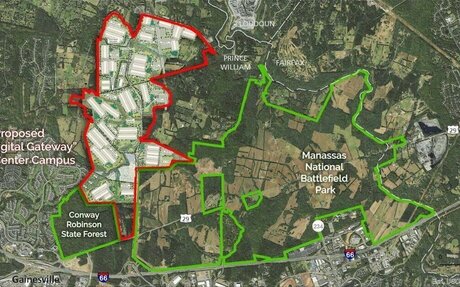
Prince William County taxpayers will pay another $400,000 to defend the county’s largest and most controversial data center project: the Prince William Digital Gateway. On Tuesday, Dec. 16, the Prince William Board of County Supervisors voted 5-3 to spend the money to pay outside lawyers to fund the county’s appeal of a judge’s ruling that canceled the massive development earlier this year. … In August, Prince William Circuit Court Judge Kimberly A. Irving overturned the three rezonings undergirding the Digital Gateway after neighboring residents filed a lawsuit against it. Irving ruled that the county failed to meet state and local notice requirements ahead of the supervisors’ 2023 public hearings and votes that rezoned 1,700 acres of homes and farms for up to 37 data centers. The Digital Gateway is planned at the edge of the Manassas National Battlefield Park.
|
|
|

|
Local
A Virginia school board may continue blocking speakers from publicly commenting about individual students during its open meetings, a federal appeals court said Monday. The Loudoun County, Va., board’s facially constitutional policy of forbidding speakers from targeting, criticizing, or attacking particular students at meetings didn’t violate the plaintiff speakers’ free speech rights under the First Amendment, the US Court of Appeals for the Fourth Circuit said.
|
|
|

|
Column
We have yet more fascinating information about confidential efforts by Roanoke city officials to explore bringing casino gambling to the Star City. The details are emerging bit by bit, in responses to multiple Freedom of Information Act requests by your humble columnist and others. At times, that process has seemed akin to extracting teeth. And much remains unclear. But from those FOIA responses, we can glean the existence of not merely one secret casino-related contract — but three different types of casino-related contracts. Each was signed by Roanoke elected or appointed officials and each was initially undisclosed. One of the documents is a nondisclosure agreement, titled “Confidentiality Agreement,” that dates back to April 27. Seventeen different city officials signed individualized copies, on seven different dates, including all seven members of the Roanoke City Council. Somewhat oddly, the counterparty on each of those NDAs is listed as “CITY OF ROANOKE.” That seems weird because council members are the highest elected officials in the city. Why would they sign an agreement with themselves not to spill the beans? Would they sue themselves in court for leaking?
|
|
|
|
|
|
VCOG’s annual FOI awards nomination form is open.
Nominate your FOIA hero!
“Democracies die behind closed doors.” ~ U.S. District Judge Damon Keith, 2002
Follow us on: X / Facebook / Instagram / Threads / Bluesky
|
|
|
|