Following the previous week’s cancellation of a town hall after a third supervisor signaled he would attend, the Fluvanna County Board of Supervisors amended its bylaws to formally limit attendance at town halls and community meetings to no more than two supervisors. The change is designed to avoid triggering Virginia’s Freedom of Information Act (FOIA), which can require advance public notice and open-meeting procedures when three or more members of a five-member board gather to discuss public business. … The board also amended its bylaws to clarify how zoning applicants may speak during public hearings.
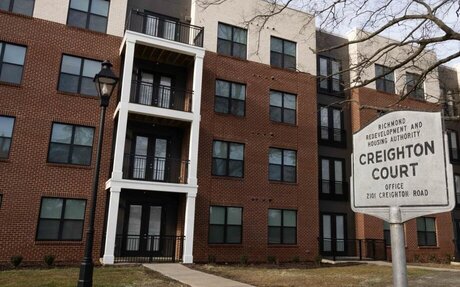
In October, complaints about failing hot water at Creighton Court came pouring in. Steven Nesmith, chief executive officer of the Richmond Redevelopment and Housing Authority, previously said residents had first reported issues with the hot water in “mid-December,” when failed heating coils and gaskets inside the public housing development’s 70-year-old boiler impacted units in over two dozen buildings. But maintenance request records obtained by The Times-Dispatch through the Virginia Freedom of Information Act show work orders labeled “no hot water” peaked over two months before that malfunction occurred.
Martinsville Interim City Manager Rob Fincher announced Tuesday that an internal investigation found no evidence that Vice Mayor Kathy Lawson engaged in criminal wrongdoing, following public allegations that she misused city funds and resources. Fincher said the inquiry was launched at Lawson’s request after a citizen publicly accused her of illegal activity. … After the meeting, Fincher said the allegations centered on claims that Lawson requested city-funded services for a personal matter and used city funds to purchase items at a public sale. He said receipts and other documentation showed those claims were unfounded.
A newly released bill would exempt data collected by automated license plate readers (ALPRs) from disclosure under the Connecticut Freedom of Information Act (FOIA). The ban, part of a larger General Law Committee (GL) bill on consumer privacy, also prohibits the Department of Transportation (DOT) and the Department of Motor Vehicles (DMV) from sharing ALPR data in response to requests from immigration enforcement agents or from entering into a contract with any ALPR user unless the contract prohibits selling that information. “Automated license plate reader information is confidential and shall not be deemed a public record for the purposes of the Freedom of Information Act.” the bill reads. The bill also grants the attorney general’s office authority to “institute proceedings to enforce” the provision of the bill exempting ALPR data from FOIA.